
Cloud Readiness & Strategy
An honest assessment of your application portfolio, mapping what to refactor, replace, retire, or migrate, so your investment goes where it creates real value.
Cloud Modernization
The cloud leveled the playing field. Technology that once belonged only to the largest, best-funded companies is now within reach of any business ready to use it. We help you tap into it and build on it, so you can scale, compete, and transform in ways that simply weren't possible before.
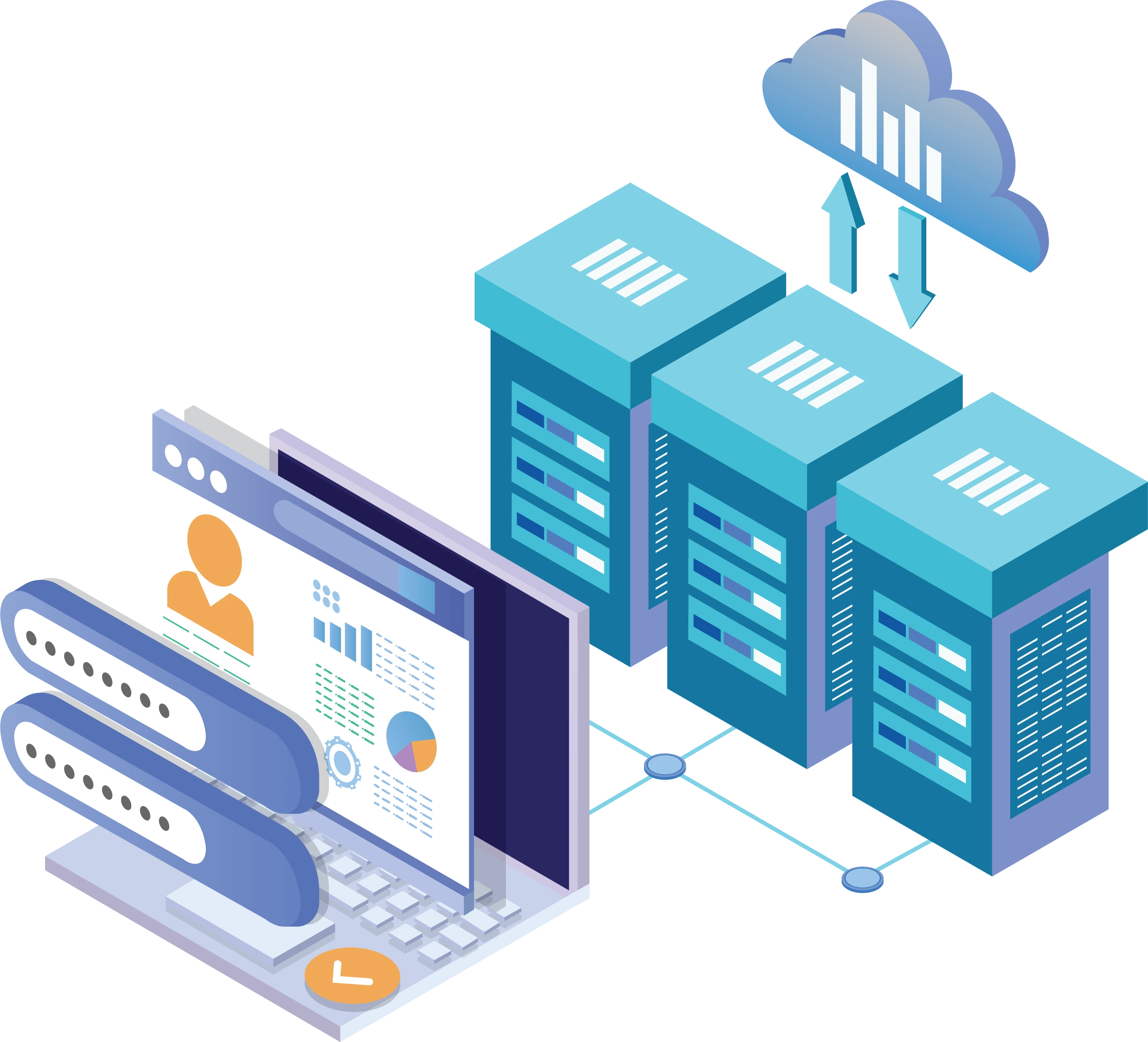
Not long ago, cutting-edge computing power, global scale, advanced analytics, and AI were luxuries reserved for companies with massive budgets and their own data centers. The cloud changed that. Today, the same world-class technology is available to any organization, billed by the minute instead of bought by the millions. The opportunity isn't just to cut IT costs; it's to access capabilities that can genuinely transform what your business is able to achieve.
Tapping into that potential takes more than just moving to the cloud. Many providers simply lift and shift: they measure your existing data center and forklift it to the cloud, server for server, on expensive virtual machines that run around the clock whether you use them or not. You end up paying more for the same unreliable systems. We take a different path, refactoring and re-architecting your applications to run as true cloud-native software, on managed services that scale automatically and bill only for what you use. It's the difference between providers who relocate infrastructure and a team that understands the software running on it.
Of course, the right modernization strategy depends on the application. Some systems are worth refactoring, some are better replaced, some should be retired altogether, and sometimes a straightforward migration is the most practical next step. We help clients make those decisions based on business value rather than buzzwords. But when there's meaningful value to unlock, it usually comes from rethinking and modernizing applications for the cloud—not simply relocating them there.
An honest assessment of your application portfolio, mapping what to refactor, replace, retire, or migrate, so your investment goes where it creates real value.
Reworking existing on-premises applications to run as cloud-native software, shedding the constraints and costs of their legacy design.
Greenfield applications built from the ground up on managed and serverless services, designed to scale automatically and bill only for what they use.
Tuning cloud workloads to cut waste and lower total cost of ownership, while improving uptime, scalability, and fault tolerance.
“We moved to the cloud, and somehow our bill went up instead of down.”
 CFO
CFO
“Our data center is aging out, and we don’t want to sink more money into hardware.”
 VP of Infrastructure
“Our application can’t handle traffic spikes, it either falls over or we overpay to keep it running.”
Director of Engineering
“A vendor wants to lift-and-shift everything onto cloud VMs, but something about that feels wrong.”
 CIO
CIO
“We need better uptime and resilience than our current setup can deliver.”
 VP of IT Operations
We start with the software, not the servers. Because we’re a software team first, we look at how your applications are actually built and how they could run better in the cloud, rather than simply measuring what you have today and copying it over. That perspective is what unlocks the real benefits of the cloud instead of just relocating your existing costs.
We modernize so you only pay for the resources you actually use. Cloud-native services scale up when demand is high and scale down when it isn’t, so you’re not paying for idle capacity. Done well, that lowers your total cost of ownership while simultaneously improving uptime, scalability, and fault tolerance, the things a data center makes expensive and the cloud makes attainable.
And we build cloud-native, not cloud-locked. Azure and the Microsoft Cloud are our go-to, and where it’s the right fit, we’ll take full advantage of it. But because our approach is built on cloud-native principles rather than any one vendor’s stack, we can deliver the same results in AWS, Google Cloud, or whatever environment you prefer. The strategy travels with you.
Look at how your applications are actually built, not just what infrastructure they sit on.
Rebuild the app to take full advantage of elastic, cloud-native architecture patterns.
Run it on resilient, auto-scaling services, so uptime holds and costs match actual use.
Still have questions? We'd rather answer them in a conversation than bury them in a brochure.
Talk To Our TeamThis article explores how agentic AI, low-code platforms, and modern cloud services are reshaping the economics of software development, making custom software more affordable and practical than ever before.
This article explores how legacy middleware and data integration platforms, while once essential, are now creating friction for modern integration needs—and outlines a pragmatic, cloud-first path to reduce complexity, accelerate delivery, and enable innovation.
This article explains that SAP BTP’s availability through major cloud marketplaces like Azure, AWS, and GCP simplifies procurement and aligns SAP innovation services with broader cloud strategies—making it easier for organizations to adopt, manage, and scale their solutions within their existing cloud ecosystems.
Ready When You Are
Whether your cloud bill keeps climbing, your data center is aging out, or a migration plan just doesn’t feel right, tell us what you’re working with. We’ll help you find the approach that actually pays off.